Tesla changes forever how we will see a car
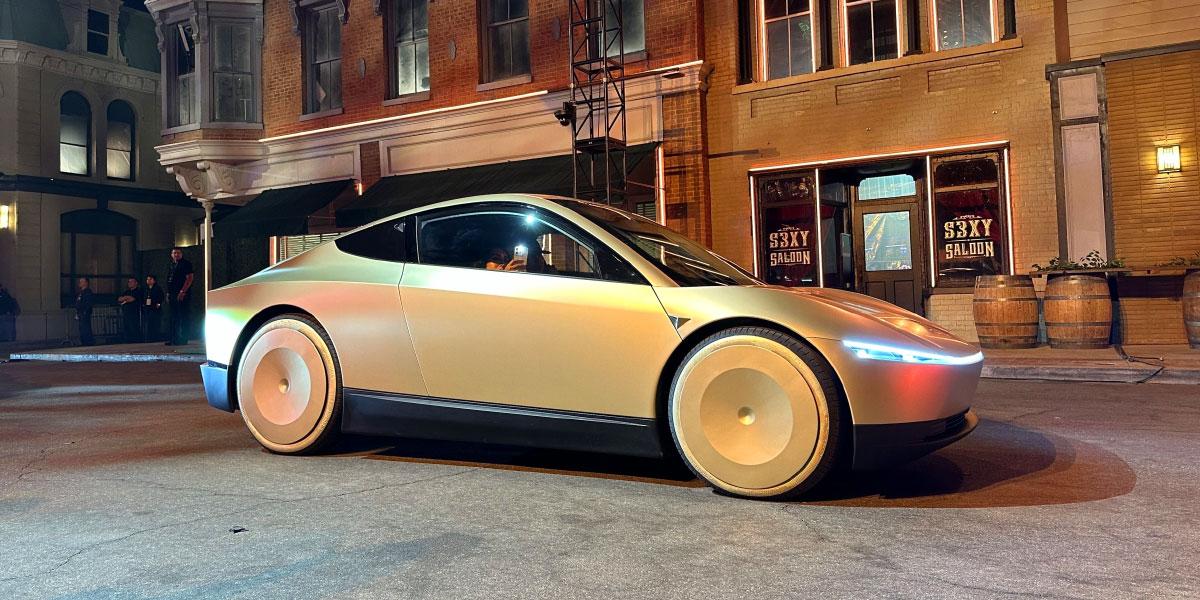
For decades, the car has remained a stationary object for most of the day. It leaves the parking spot in the morning, returns in the evening, and then just stays there. Tesla is shifting focus toward a different idea: the vehicle no longer represents a passive expense, but a machine capable of working when the owner is not using it.
The starting point is advanced autonomous driving. Newer vehicles collect data from millions of miles, receive frequent software updates, and improve their behavior and precision. The stated goal consists of cars capable of navigating urban traffic without continuous intervention from the person behind the wheel. From this foundation, the concept of the automated fleet is born.
Imagine the scene. You arrive home in the evening, park, open the app on your smartphone, and set your Tesla as "available." From that moment, the vehicle enters a software-coordinated transportation network. It picks up passengers, takes them to their destinations, and returns to the agreed-upon area for the night or for the time you need it again. Hours during which the car used to sit gathering dust in a parking space become working hours.
This model transforms the vehicle into a small production plant. The purchase no longer represents just a cost to be sustained over years, but an investment capable of generating income. A family could cover the monthly payment, insurance, and charging thanks to overnight revenue. For a small business, it would mean having a company vehicle usable during the day and active as an urban service during off-peak hours.
At the city level, the scenario changes even more. A network of autonomous cars reduces the number of vehicles parked along sidewalks, frees up space, and optimizes the circulating fleet. Many people in city centers could give up private ownership and rely on a fleet always available via an app, with short wait times and predictable costs.
Enormous interests are moving behind this prospect. Taxi drivers, professional drivers, and licensed transport services have invested significant sums in permits and vehicles. The idea of an electric fleet capable of circulating twenty-four hours a day without salaries, breaks, or strikes generates legitimate fears. This is not competition in the traditional sense, but a model capable of drastically reducing the demand for human labor in an entire sector.
Then there is the safety issue. Every accident linked to advanced assistance systems ends up in the media. A single software error receives more attention than thousands of accidents caused by distraction, alcohol, or speeding. Regulators must find a balance between reducing human error and the risk of entrusting too much responsibility to an evolving algorithm. Regulations, insurance, and legal liability in the event of an accident are still under construction and vary greatly from country to country.
In the middle of all this are the users. Some see the autonomous car as a liberation: no traffic stress, no parking, and the ability to continue moving around even in old age. Others feel an instinctive distrust toward a vehicle that moves without hands on the steering wheel. Trust is not born from slogans or presentation videos, but from data, transparency, and serious comparisons between human driving statistics and automated system results.
One thing, however, emerges clearly. Tesla is not merely proposing an electric motor instead of an internal combustion engine. It is rethinking the role of the car in our daily lives. From a private and static object to a node in a digital network, upgradeable, connected to services, and capable of generating value even while the owner sleeps. The entire automotive sector, from legacy manufacturers to insurance companies, will have to decide which direction to take: resist, imitate, or propose alternative visions.
For those watching from the outside, there is only one piece of advice: follow the evolution of these models closely. Something new is being born behind the word "car". It doesn't just concern batteries and charging stations, but a shift in perspective on ownership, labor, and mobility. Tesla has already shifted the boundary. The rest will depend on laws, infrastructure, and our ability to accept a car that is increasingly detached from the figure of the traditional driver.
All info at: https://www.tesla.com/robotaxi